ByJohn A
The Role of Blockchain in Security Tokens
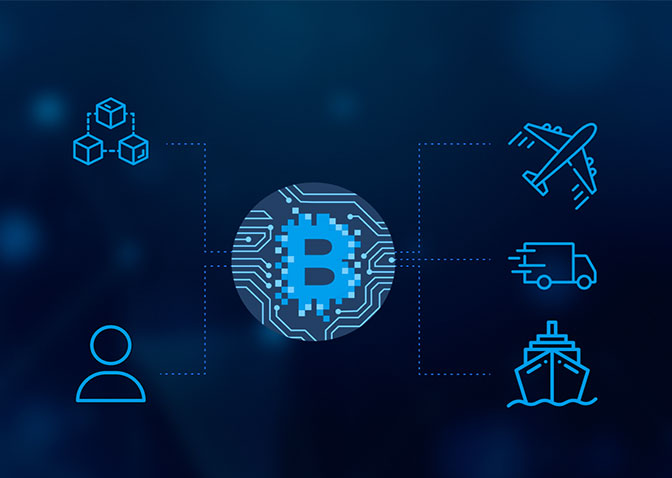
Blockchain underpins security tokens by embedding compliance, ownership traceability, and programmable rules into digital assets. It enables scalable capital formation through standardized issuance, auditable transfer trails, and tamper-resistant ledgers. Smart contracts automate KYC/AML checks, whitelisting, and governance processes. Tokenization bridges real-world assets and digital markets, improving liquidity and regulatory alignment. As these systems mature, questions arise about interoperability, custody, and enforceability—areas that warrant careful scrutiny to balance efficiency with investor protection.
Foundational Benefits for Security Tokens
Blockchain-based security tokens deliver foundational benefits by embedding compliance, ownership traceability, and programmability into digital asset representations.
This foundation supports security governance by codifying rules, rights, and obligations within tokens, reducing discretionary risk.
Token economics emerge through standardized issuance, automated dividends, and transparent ancillary costs, enabling scalable capital formation.
Regulatory-conscious design aligns investor protection with efficiency, fostering freedom to participate in regulated markets.
See also: The Importance of Digital Privacy in Modern Society
How Ownership, Custody, and Transfers Are Recorded
Ownership, custody, and transfer records for security tokens are maintained through cryptographically secured ledgers that map each token to its registered holder and custody state, ensuring an auditable trail from issuance to final disposition.
The system supports ownership mapping and custody controls, with transfers recording, governance transparency, and kyc/aml compliance, enabling asset tokenization, liquidity access, and reduced settlement latency.
Smart Contracts for Compliance and Governance
Smart contracts governing security tokens implement automated compliance, governance, and regime-specific controls directly within the token lifecycle. They encode regulatory rules, whitelist participants, and automate approvals, suspensions, and reporting. This approach supports compliance automation, reduces manual intervention, and enhances audit trails.
Governance transparency improves accountability, with tamper-evident records and auditable decision logs guiding token-holder actions and issuer oversight.
Tokenizing Real-World Assets to Unlock Liquidity
Tokenizing real-world assets (RWAs) creates a bridge between illiquid holdings and tradable securities by converting physical or non-tokenized financial instruments into digital tokens on a blockchain.
This mechanism enables regulated access, standardized tokenization standards, and auditable ownership trails. By tracking liquidity metrics, regulators and investors assess risk, while innovators pursue scalable, compliant markets that honor freedom through transparent, interoperable token ecosystems.
Conclusion
In sum, blockchain serves as the regulatory backbone—mapping ownership, custody, and transfers with auditable precision. Smart contracts enforce compliance and governance, turning rules into enforceable code and reducing friction in regulated markets. Tokenization unlocks real-world liquidity by weaving illiquid assets into programmable ecosystems, while cryptographic ledgers sustain investor protection through verifiable audit trails. Taken together, the technology offers a disciplined, scalable framework for secure, compliant capital formation within security tokens.