ByJohn A
The Importance of Digital Identity Security
Digital identity security underpins trusted online interactions and personalized services. Verifiable attributes enable scalable authentication and auditable activity, while privacy basics support informed choices. Yet gaps in authentication and data sharing create exploitable risk. Layered controls—least privilege, zero trust, continuous monitoring, and hardware-backed credentials—form a resilient baseline. The challenge is balancing usability with governance across platforms, a tension that invites closer examination of how organizations defend digital trust as ecosystems evolve.
What Digital Identity Means and Why It Matters
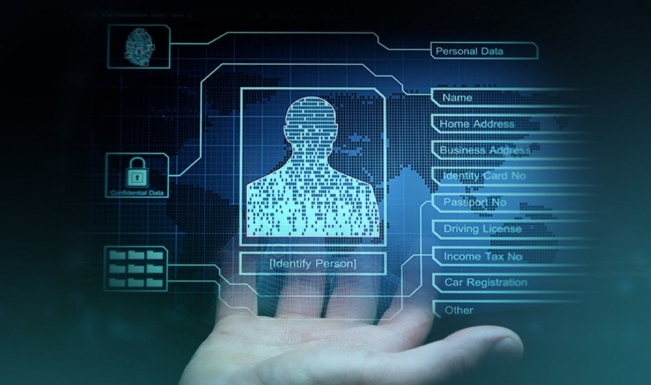
Digital identity refers to the digital representation of an individual or entity, comprising verifiable attributes that enable authentication, authorization, and interaction across online services.
This concept enables secure access, personalized experiences, and auditable activity.
Understanding privacy basics is essential for informed choices, while identity governance ensures accountability, risk management, and policy enforcement across platforms, preserving freedom without sacrificing control.
Continuous evaluation sustains resilient, user-centric digital ecosystems.
See also: monacoreportcom
How Attackers Exploit Identity Gaps and Data Sharing
Attackers exploit gaps in identity verification and fragmented data sharing by targeting weak links in authentication workflows, misconfigured access controls, and insufficient visibility across systems.
They exploit data leakage pathways and credential reuse to move laterally, aggregate credentials, and breach connected services.
Understanding these vectors clarifies threat intent, enabling defenders to map controls, monitor anomalies, and prioritize risk-based containment without overreliance on users.
Practical Steps for Stronger Authentication and Privacy
Practical steps for stronger authentication and privacy must be grounded in concrete, verifiable controls rather than abstract assurances. The approach emphasizes privacy by design, layering least-privilege access, zero-trust verification, and continuous monitoring to detect anomalies. It acknowledges biometric threats, recommending multi-factor methods, hardware-backed keys, and auditable policies that empower users while sustaining resilient, transparent protection of personal data and autonomy.
Building a Resilient, User-Friendly Identity Strategy
How can an organization craft a resilient, user-friendly identity strategy that aligns security imperatives with everyday usability? A resilient framework integrates privacy controls and streamlined access management, balancing risk with frictionless experiences. It embraces user centric governance, transparent decisioning, and continuous feedback loops. Proactive risk forecasting and measurable compliance enable secure adoption without compromising autonomy or trust.
Frequently Asked Questions
How Can I Verify My Digital Identity Across Devices?
To verify identity across devices, a system should implement multi-factor, device-bound attestations and seamless credential rotation, enabling privacy-preserving cross-device checks. This approach improves cross device authentication, balances security with freedom, and remains analytical, proactive, and precise.
What Are the Hidden Costs of Strong Identity Security?
The hidden costs include time and resource allocation for multi-factor implementations and ongoing monitoring, while opportunity overhead arises from restricted workflow flexibility. Proactive assessment shows security investments may reduce risk, yet demand disciplined governance and continuous optimization for freedom-minded users.
Does Biometric Data Stay on My Device or Cloud?
Biometric data may be stored in-device or cloud-based, depending on system design; modern architectures favor biometric storage on-device with optional encrypted cloud safeguards, enabling user control while preserving privacy. Proactive systems emphasize transparency, consent, and robust security measures.
How Often Should I Rotate Credentials Without Friction?
How often should i rotate credentials without friction? Exaggerating, this requirement looms like a tidal wave; in reality, rotate credentials every 90 days, or sooner after a suspected breach, to minimize friction while preserving user experience.
What Are Early Signs of Identity Theft in Apps?
Early indicators include unusual login times and unfamiliar devices. Suspicious activity flags prompt device to device verification, cross platform integrity checks, and rapid session revocation, enabling proactive containment while preserving user autonomy and freedom.
Conclusion
Digital identity security underpins trusted interactions and privacy-by-design across platforms. By identifying gaps, governing attributes, and implementing layered protections—least privilege, zero trust, and hardware-backed credentials—organizations reduce breach risk and improve user outcomes. Proactive monitoring and continuous improvement translate policy into practice, balancing usability with security. Will a resilient identity strategy, anchored in verifiable attributes and robust authentication, sustain trust in an increasingly interconnected digital landscape? The answer hinges on deliberate design, enforcement, and ongoing vigilance.